Safeguarding Climate and Families: Securing a Sustainable Future for Coffee Farming in Vietnam's Central Highlands
What is the main objective of the project?
To accelerate the transition towards a low-carbon, climate-resilient and socially equitable coffee sector in Vietnam's Central Highlands by promoting regenerative agriculture, strengthening social safeguarding, and fostering cross-sector collaboration.
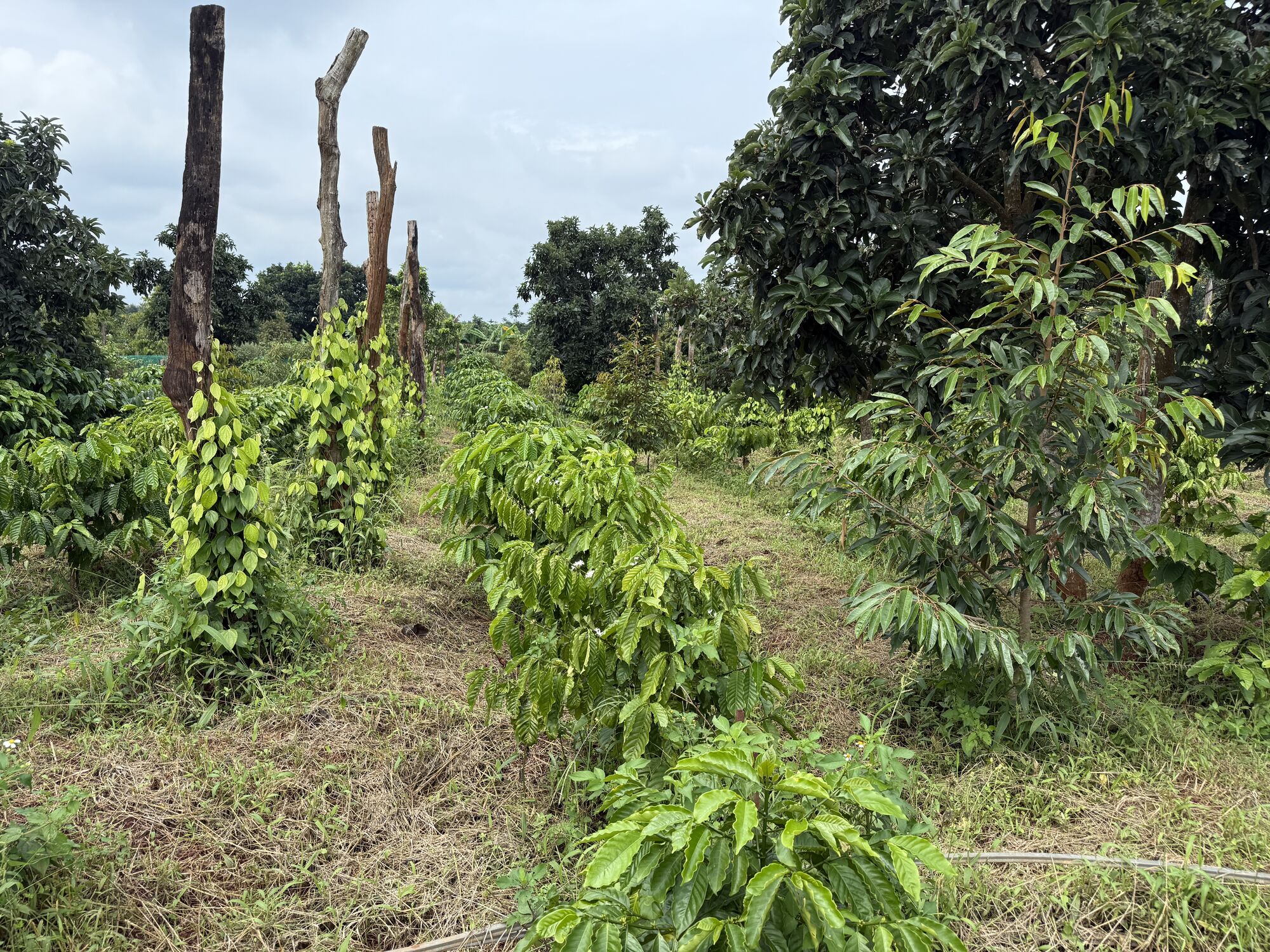
How will the project contribute to sustainable coffee production?
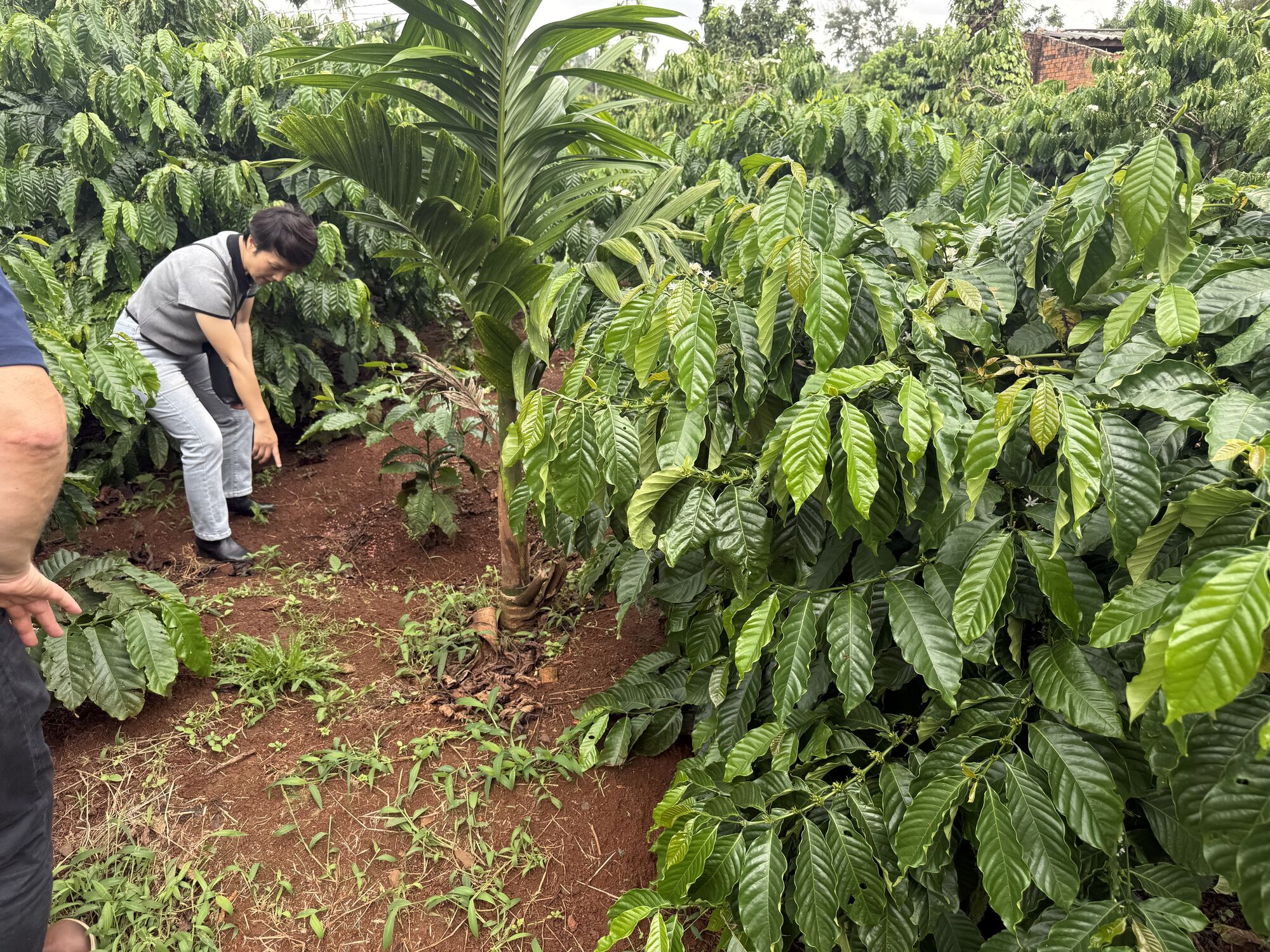
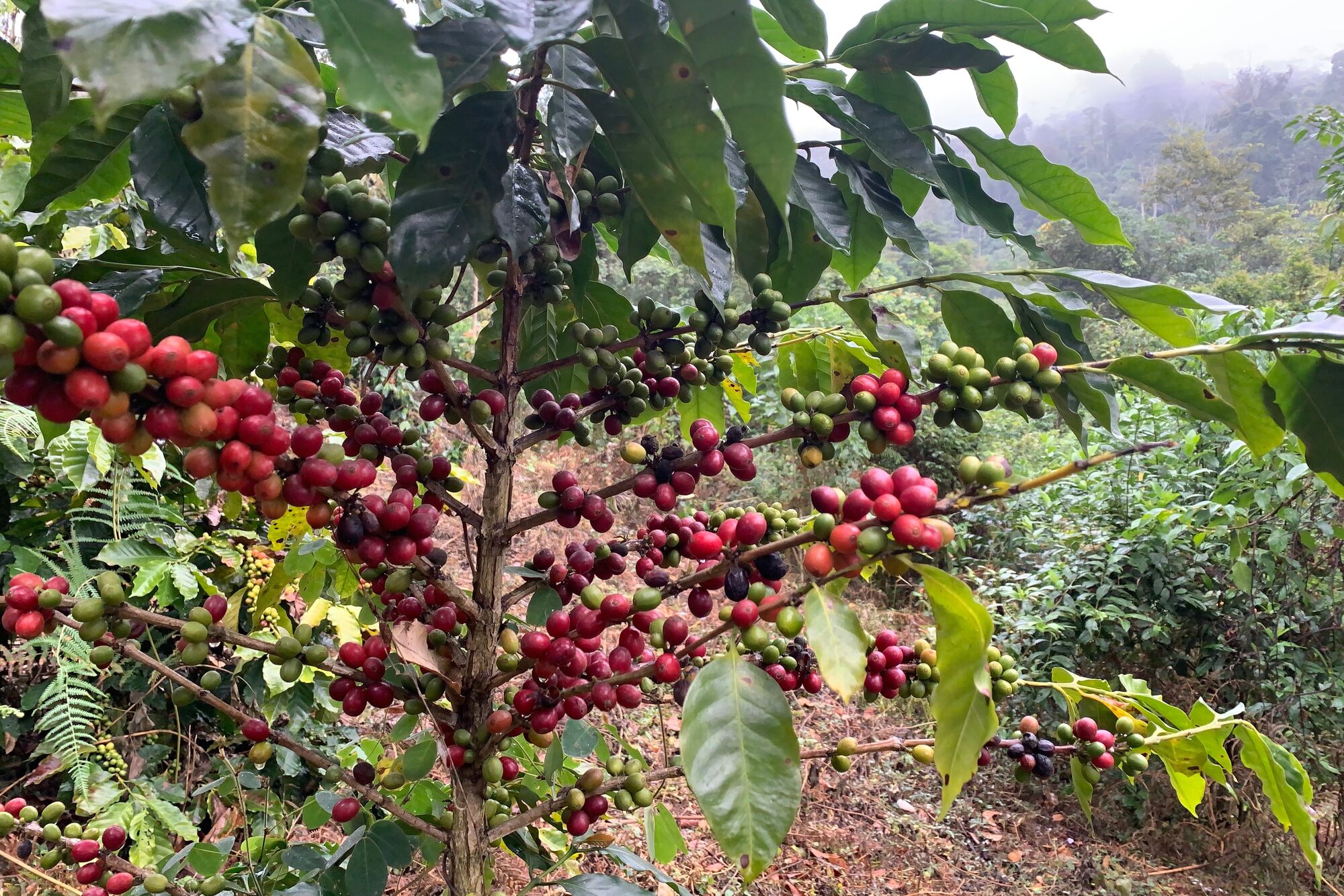
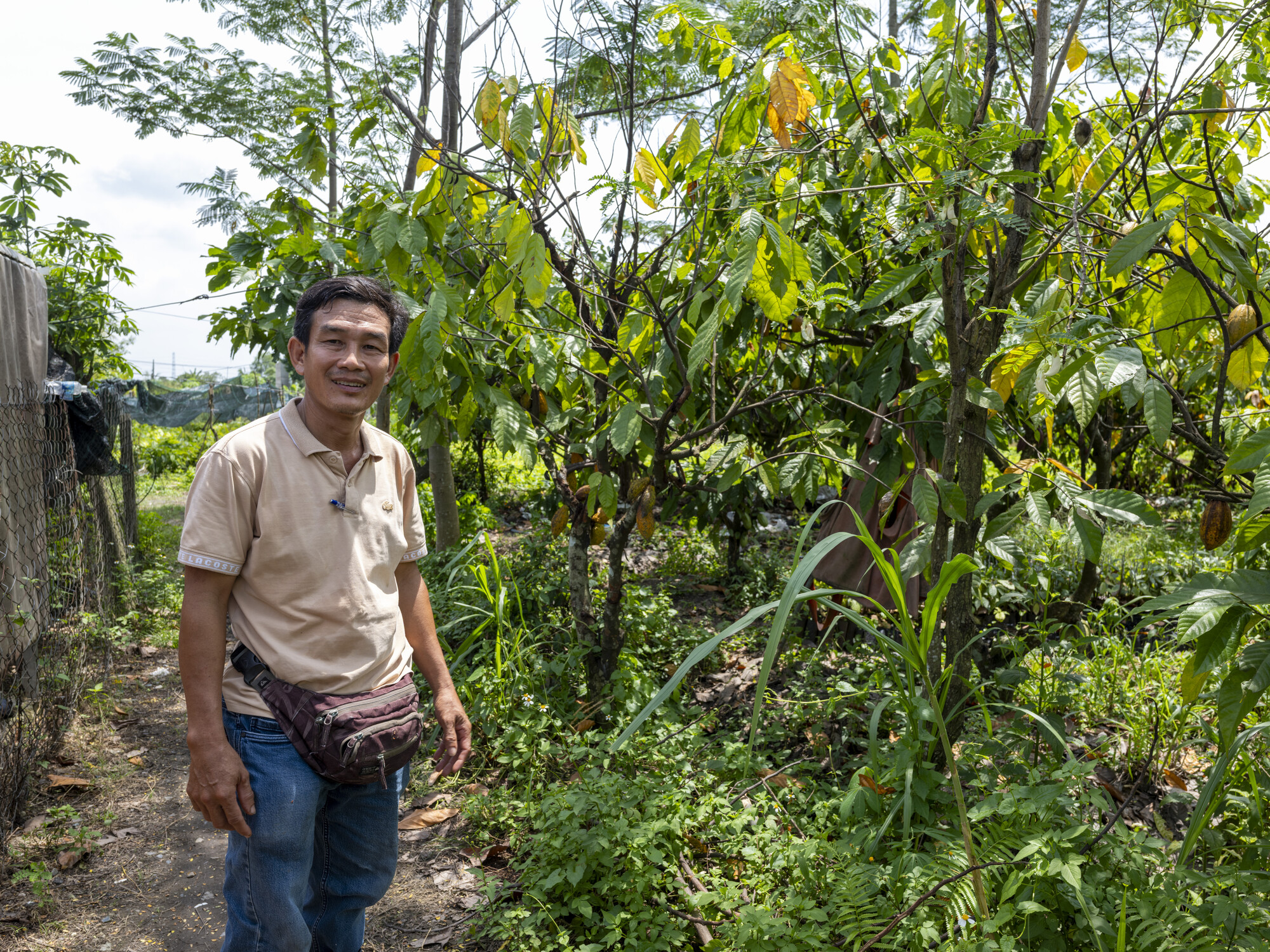
The project promotes regenerative agriculture practices, including agroforestry, improved soil fertility management, reduced synthetic fertiliser use and biochar. These interventions restore soil health, increase biodiversity, improve water efficiency, reduce greenhouse gas emissions and strengthen farmers' resilience, while integrating social safeguarding measures that promote gender equality, child protection and responsible labour practices, alongside a robust Measurement, Reporting and Verification (MRV) system to verify climate impacts.
How does this project foster collaboration across the coffee sector?
The project brings together farmers, cooperatives, exporters, traders, roasters, retailers, government agencies, research institutions, NGOs and civil society through a collaborative impact approach and a Multi-Stakeholder Platform. Companies jointly invest in sustainability while aligning sourcing requirements, MRV systems and social safeguarding standards.
How do you ensure a lasting impact beyond the project's duration?
Long-term impact is ensured by embedding regenerative practices and social safeguarding measures in company sourcing systems, establishing permanent MRV and governance structures, aligning with national policies, strengthening local institutions and leveraging continued private-sector investment and long-term sourcing commitments beyond the project period.
Organisations involved