Project ROOTS: Regenerative Organic Opportunities for Transformation and Sustainability
What is the main objective of the project?
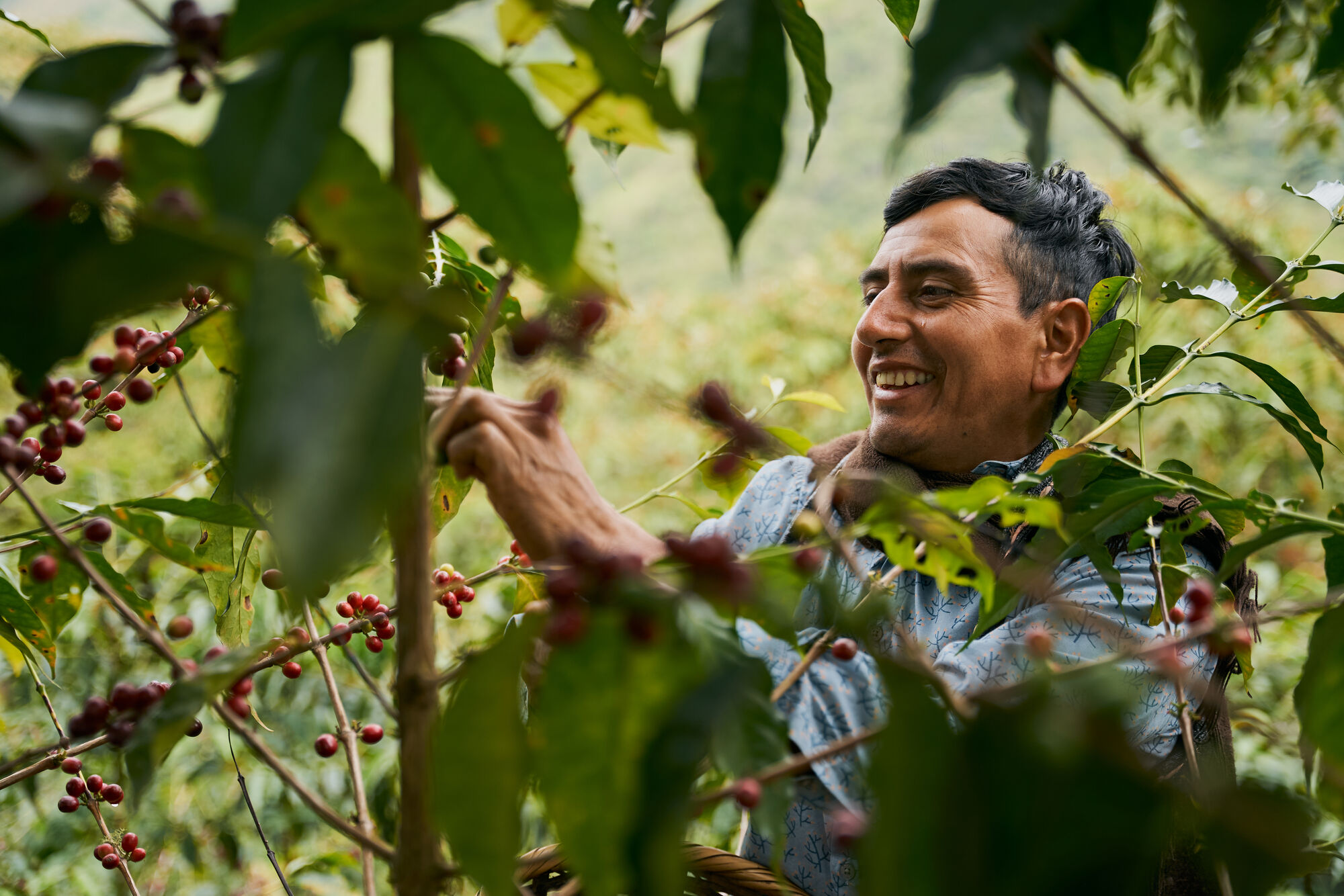
The partnership between Nespresso and global food and beverage ingredients supplier ofi (Olam Food Ingredients) is working to help smallholder coffee farmers in Jaén, Cajamarca, to protect their organic certification and secure their place in premium international markets. Through practical solutions like agroforestry barriers, scientific testing, and hands-on training, the project is empowering farmers to safeguard their livelihoods and secure the long-term sustainability of the Nespresso supply chain, aligned with Nespresso’s AAA 2030 framework.
How will the project contribute to sustainable coffee production?
The project contributes to sustainable coffee production by combining training and technical support that delivers both environmental and economic benefits. It protects the organic status of farms by reducing chemical drift through agroforestry barriers that shield fields from neighbouring pesticide use, verifying risks through scientific soil and foliar testing, and promoting regenerative practices such as composting and the planting of non-coffee trees to improve soil health, biodiversity, and climate resilience.
At the same time, it strengthens farmer incomes by safeguarding access to premium markets through continued organic certification, improving yields and quality via training in good agricultural practices, promoting inclusion through targeted outreach to women farmers, and ensuring long-term impact through a scalable, cost-efficient train-the-trainer model that spreads best practices across the wider community beyond the project timeframe.
How do you plan to scale up the sustainable measures implemented in the coffee value chain?
The project promotes scalable, community-led adoption of resilient agriculture and gender-equitable social practices without reliance on ongoing external funding or new infrastructure. This is achieved through the Gender Action Learning System (GALS) Methodology, designed to empower farmers, especially women, by building their capacity to make informed decisions and lead community-driven activities. Through GALS, participants gain the knowledge and confidence needed to replicate best practices independently, fostering inclusive and sustainable agricultural development.
Rooted in Peru’s strong culture of peer-to-peer learning, farmer leaders are identified and trained on demonstration plots through a train-the-trainer model. These leaders facilitate group learning and field demonstrations, accelerating adoption across the community.
The annual Nestlé Nespresso AAA farmer cluster event in Perú will highlight lessons and innovations in buffer zones, pesticide risk mitigation, and gender programming. The closing Field Day will extend knowledge-sharing to a wider audience, including government officials, the Swiss Embassy, NGOs, and industry partners.
Organisations involved