Coffee Value Chain for Climate Action
What is the main objective of the project?
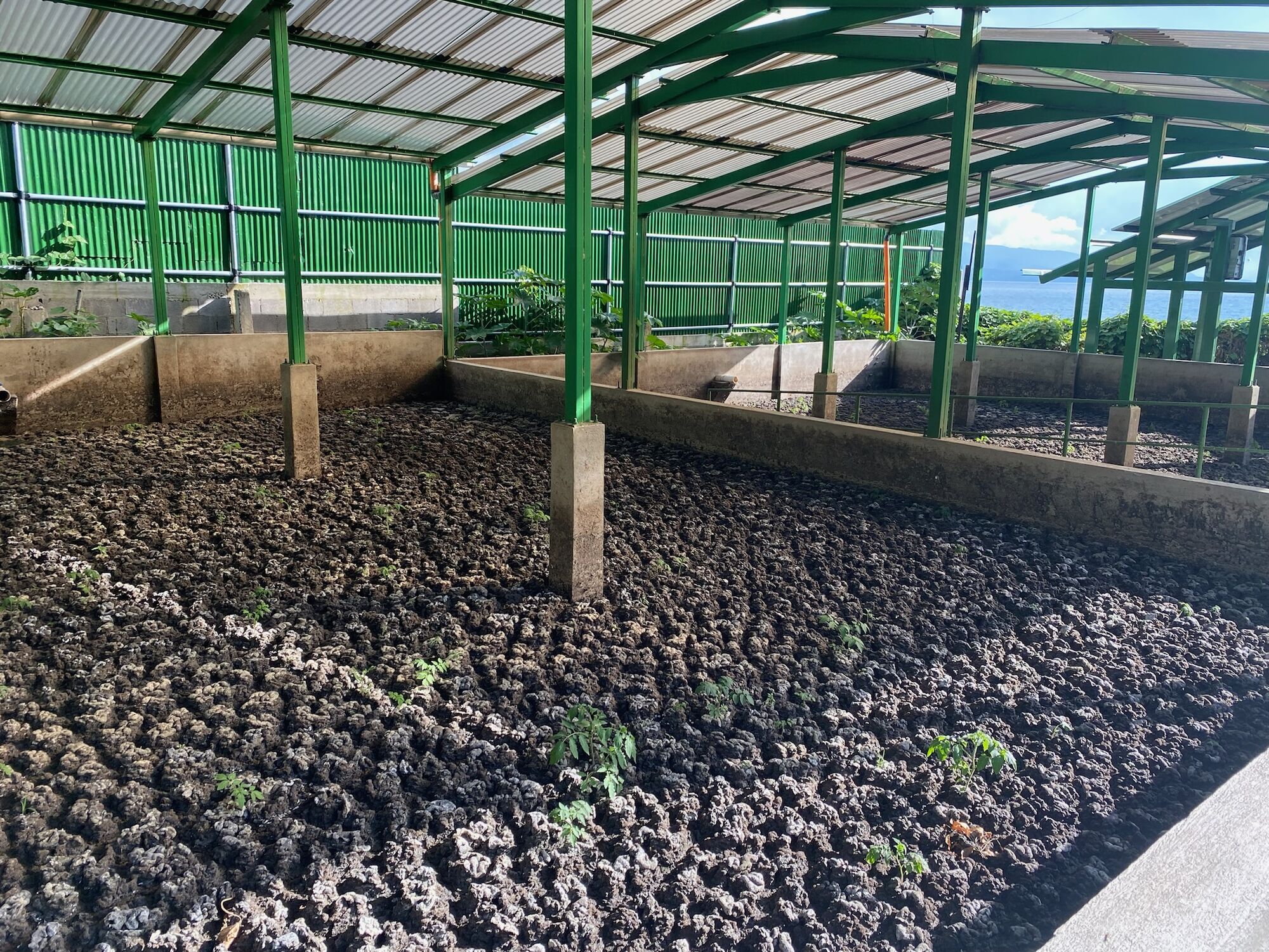
The project aims to restore soil health and close nutrient cycles in the coffee landscapes of Lake Atitlán, Guatemala, by transforming agricultural and urban waste into biochar-based amendments. It strengthens regenerative production systems, reduces pollution from unmanaged waste and supports farmers and communities in building more resilient and viable livelihoods over the long term.
How will the project contribute to sustainable coffee production?
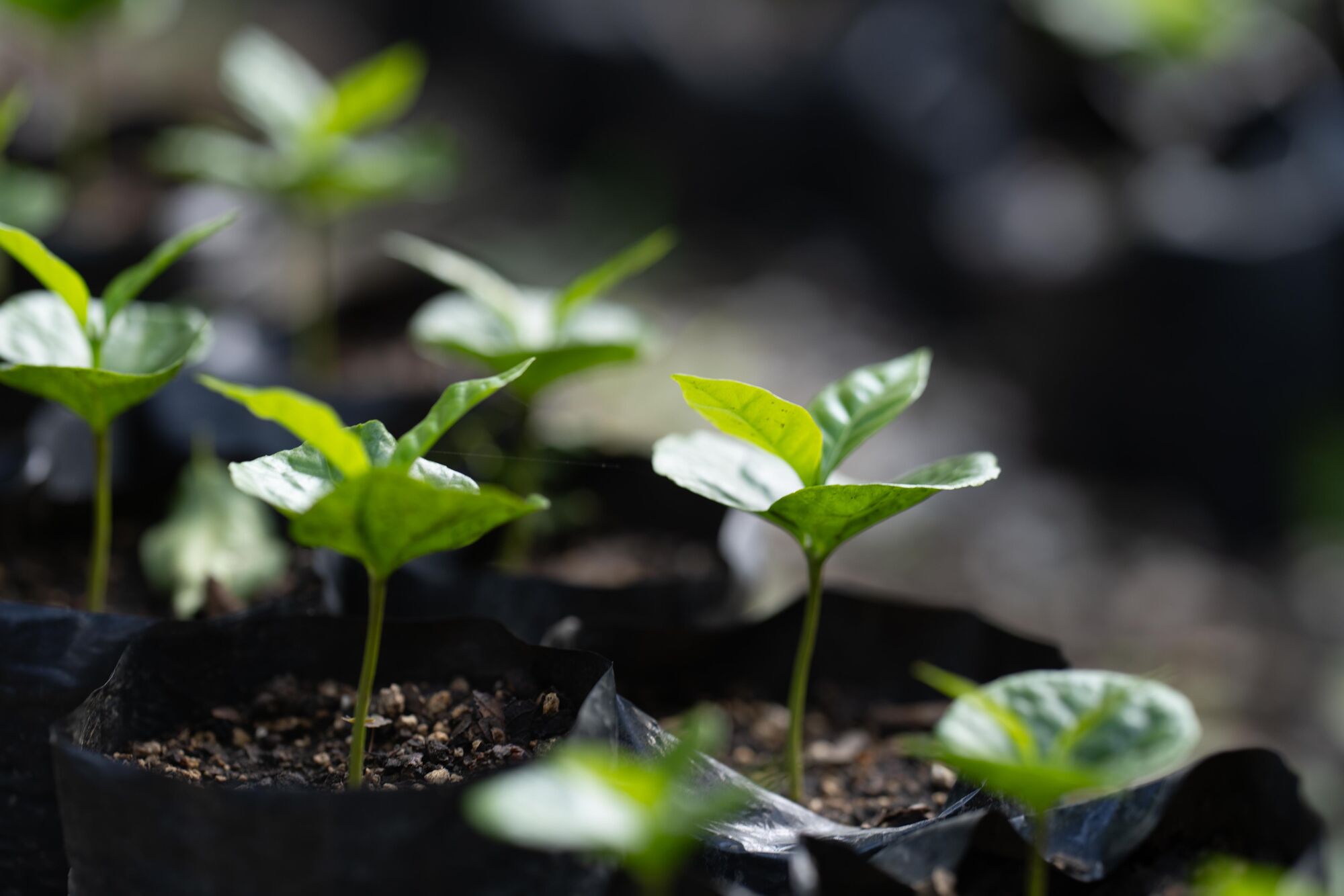
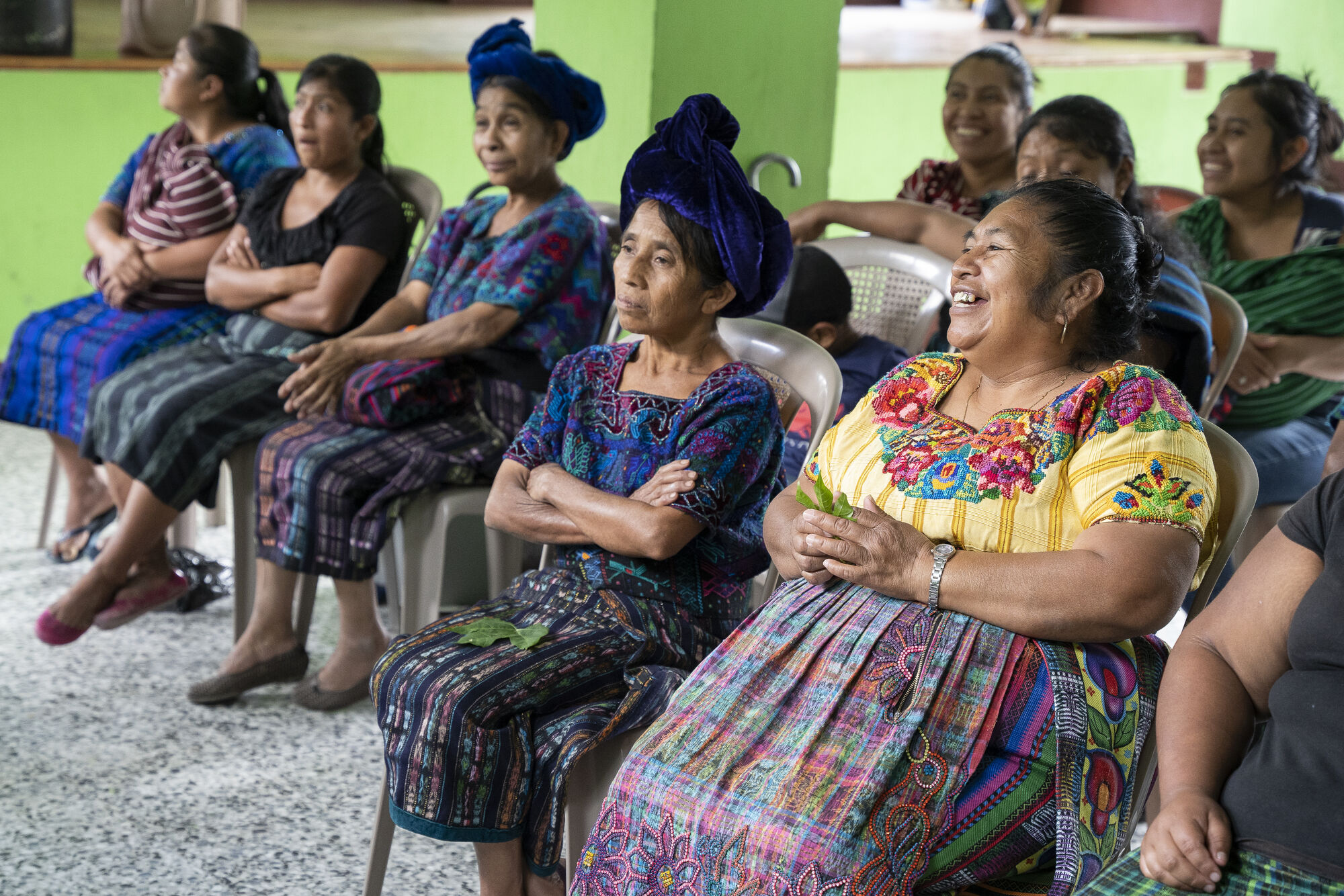
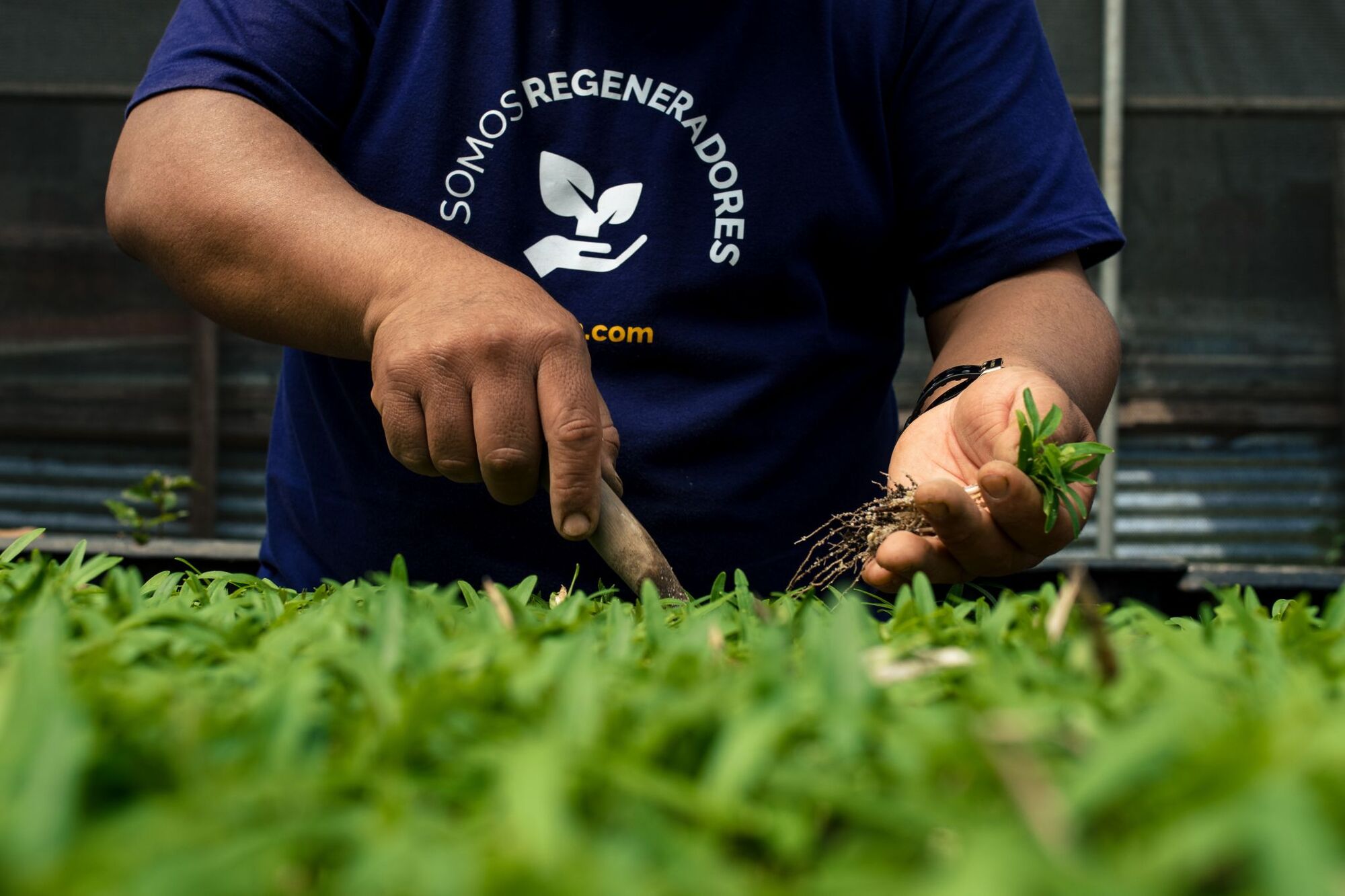
The project contributes to sustainable coffee production by converting unmanaged waste into biochar-based soil amendments, preventing contamination and reducing greenhouse gas emissions. It improves soil health through stable organic inputs, enhancing nutrient retention and reducing dependence on synthetic inputs. At the same time, farmers are supported in applying regenerative practices, strengthening their resilience and enabling more stable livelihoods. By bringing together public and private actors, the project builds local circular systems and connects them to the wider coffee value chain.
How do you plan to scale up the sustainable measures implemented in the coffee value chain?
The project scales through a model of local capacity building and context-specific adaptation. It integrates waste collection, decentralised biochar production, and farmer support into a system designed to operate independently of grant funding. Scaling is supported through documentation, knowledge sharing within the Swiss Sustainable Coffee Platform and the ViCAFE network, and exchange among farmers and partners, enabling pathways for adoption in other coffee-growing regions.
Organisations involved