Brewing a Fair Future with Sustainable Coffee
What is the main objective of the project?
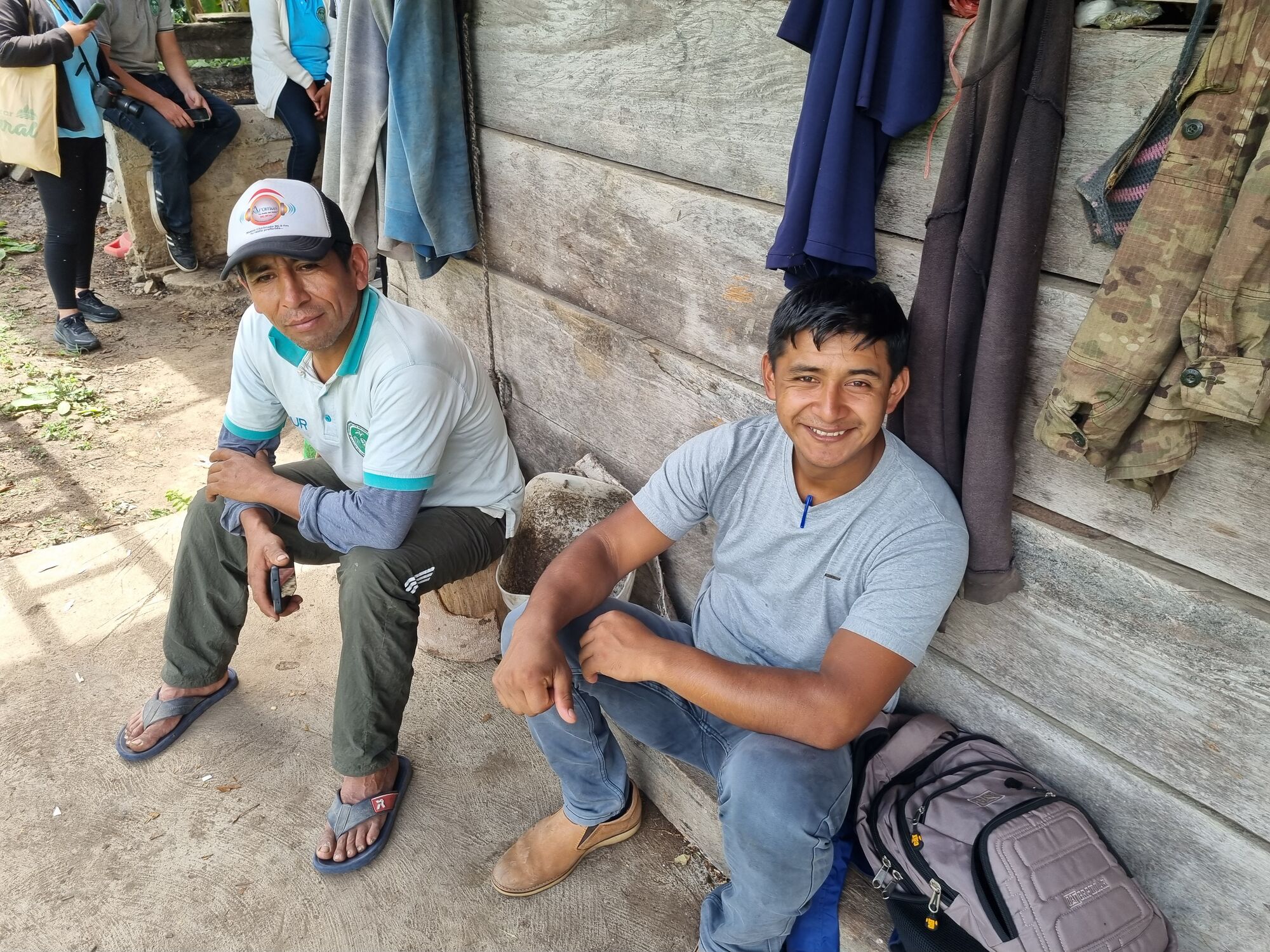
The project aims to improve the livelihoods of families belonging to six Fairtrade-certified small producer organizations in Mexico and Peru by addressing three interconnected challenges: low agricultural productivity due to limited adoption of sustainable and climate-resilient practices; weak internal control systems that hinder compliance with certification and market requirements; and limited income diversification coupled with low youth participation, which undermines economic sustainability and generational renewal. To tackle these issues, the project strengthens sustainable farm productivity, enhances cooperative management and compliance systems, and supports value-addition initiatives that diversify income streams and actively involve young people.
How will the project contribute to sustainable coffee production?
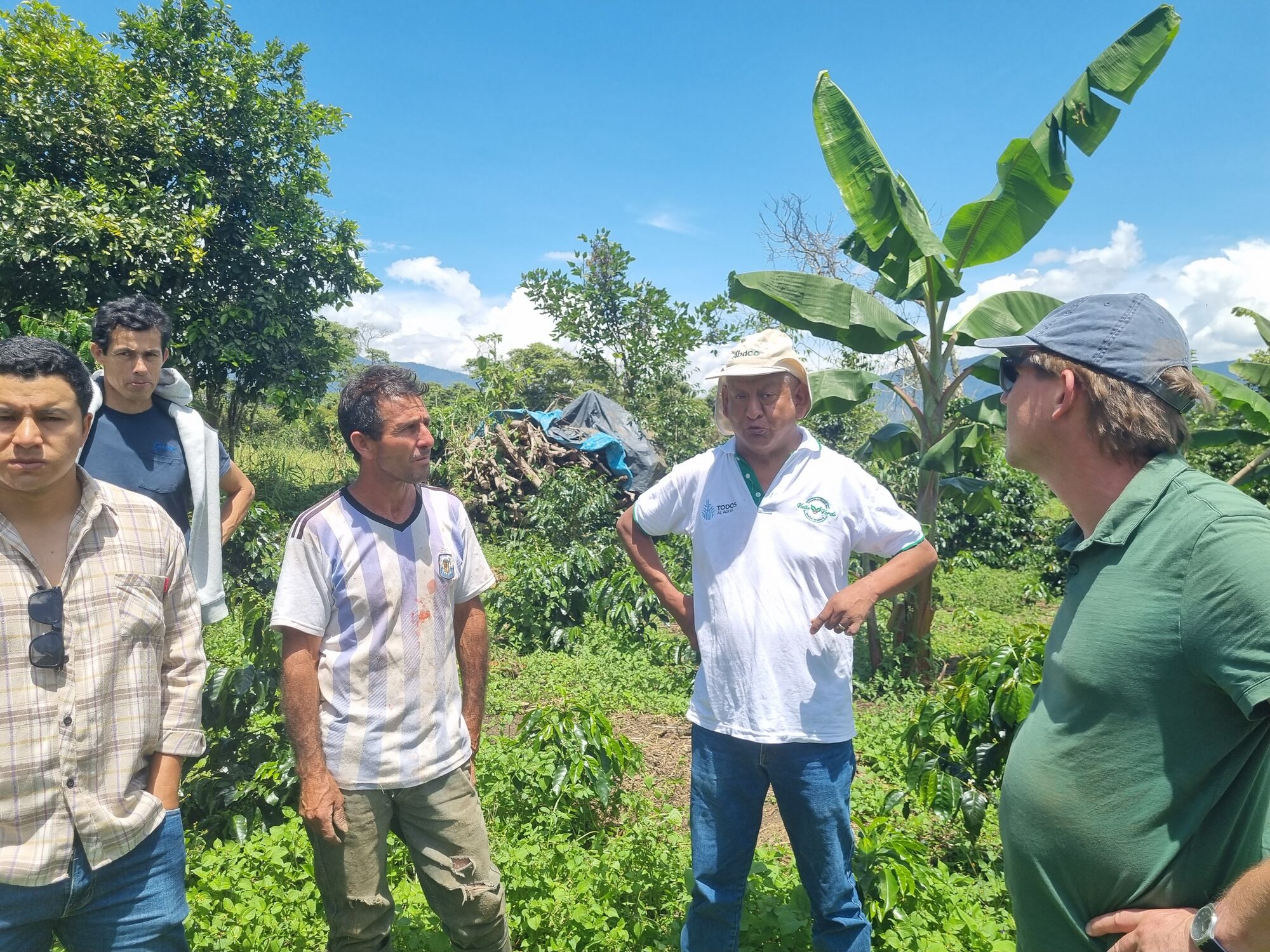
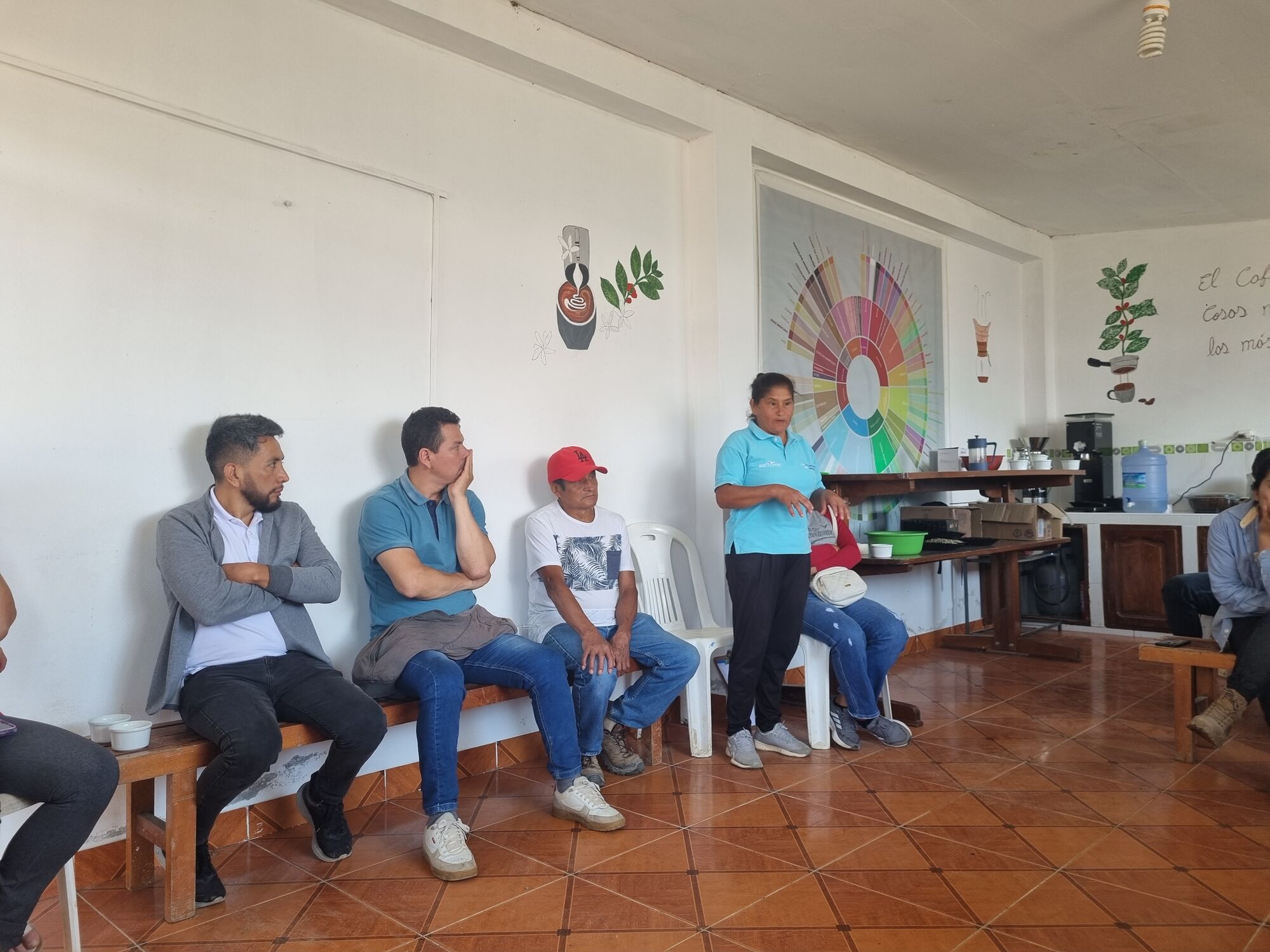
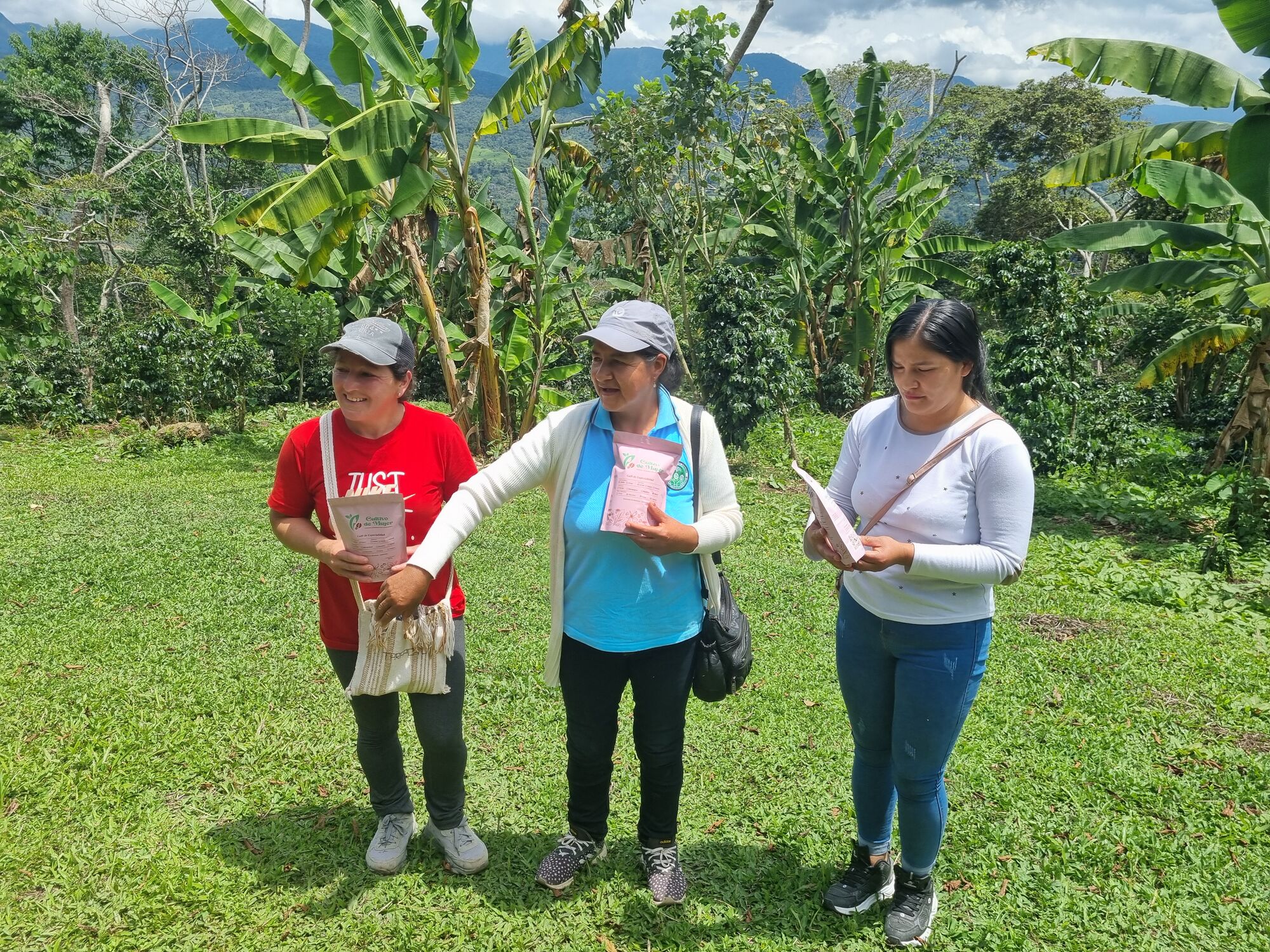
The project supports sustainable coffee production by strengthening environmental, social, and economic practices across the value chain. It introduces climate-resilient farming through Productivity Enhancement and Climate Adaptation Plans, improved soil management, agroforestry, and organic production. The Leadership School trains lead farmers who replicate sustainable practices among peers. At the same time, the project enhances cooperative governance, traceability, and youth inclusion to secure long-term market access and generational renewal. By improving yields, reducing costs, and fostering income diversification through value-addition initiatives, the project builds a more resilient, inclusive, and climate-adapted coffee sector.
How do you plan to scale up the sustainable measures implemented in the coffee value chain?
Scalability will be achieved through CLAC’s regional network, which will disseminate successful tools and methodologies to other Fairtrade cooperatives across Latin America. Coop and Fairtrade Max Havelaar will share learnings through the Swiss Sustainable Coffee Platform, promoting broader sector uptake. Because the project is anchored in Coop’s supply chain, producer organisations have strong incentives to maintain and replicate improvements, enabling expansion to other Coop origins and partners.
Organisations involved