Healing Mother Earth – “Tlapajti”: Regenerative Coffee in Mexico
What is the main objective of the project?
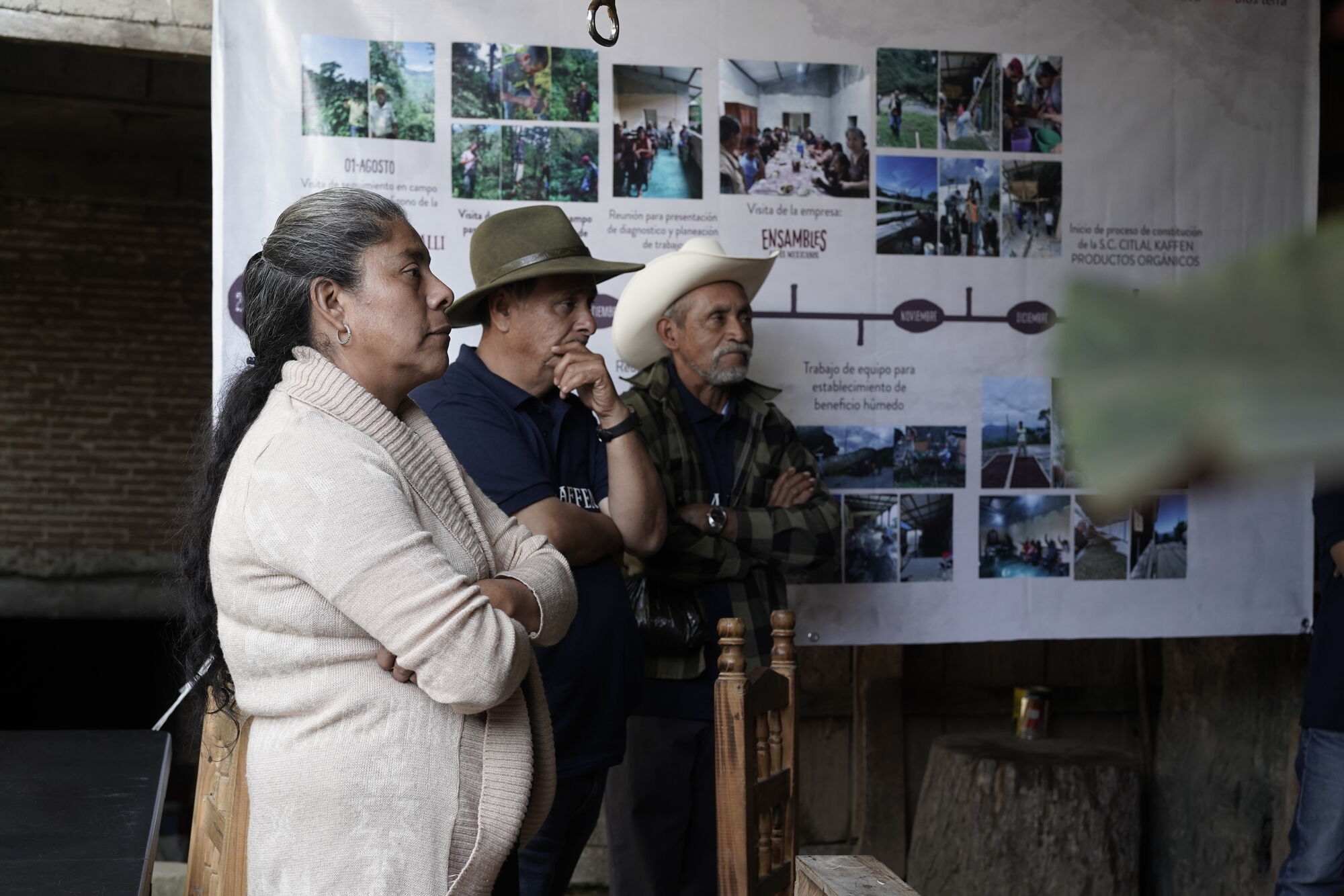
Smallholders in Zongolica have long sold cherry coffee individually, with fragmented production, degraded soils and rising climate risk. The cooperative already runs its own small wet mill: members deliver cherries and operate the beneficio (wet mill) themselves, with almost 15 producers now also working as beneficio operators. The project aims to regenerate coffee landscapes and improve family livelihoods by raising quality (82-84 to 88 SCA points), sales (1 to 5.5 containers/year) and the number of stable buyers paying premiums (3 to 10).
How will the project contribute to sustainable coffee production?
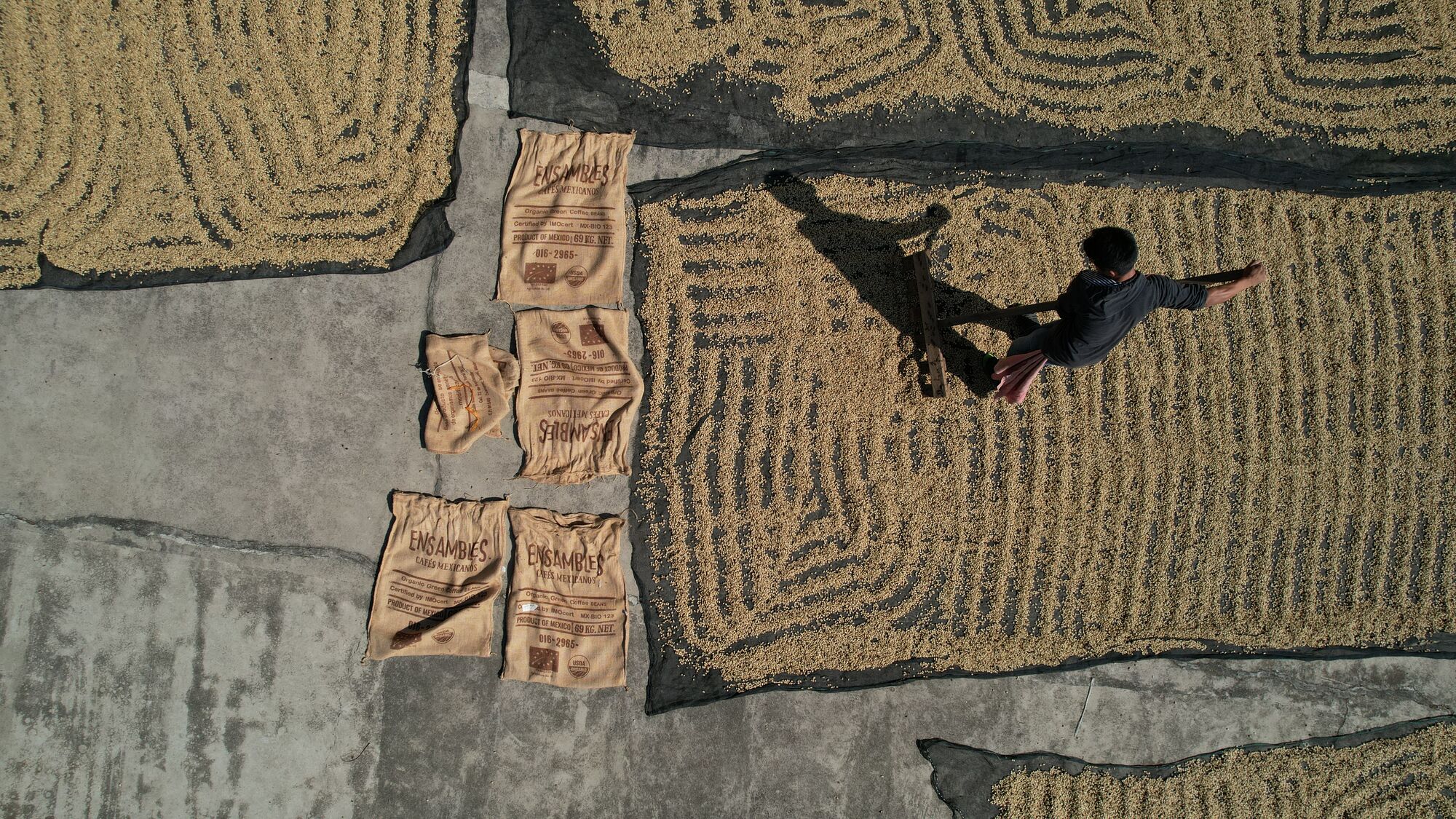
Regenerative, organic-certified management expands from 26 to 66 ha, supported by a nursery (up to 40,000 plants/year) and a bio-factory replacing up to 80% of purchased inputs. Better post-harvest processing and premiums of 25-50% above market lift incomes, while shade-grown coffee protects the cloud forest and Papaloapan watershed.
How do you plan to scale up the sustainable measures implemented in the coffee value chain?
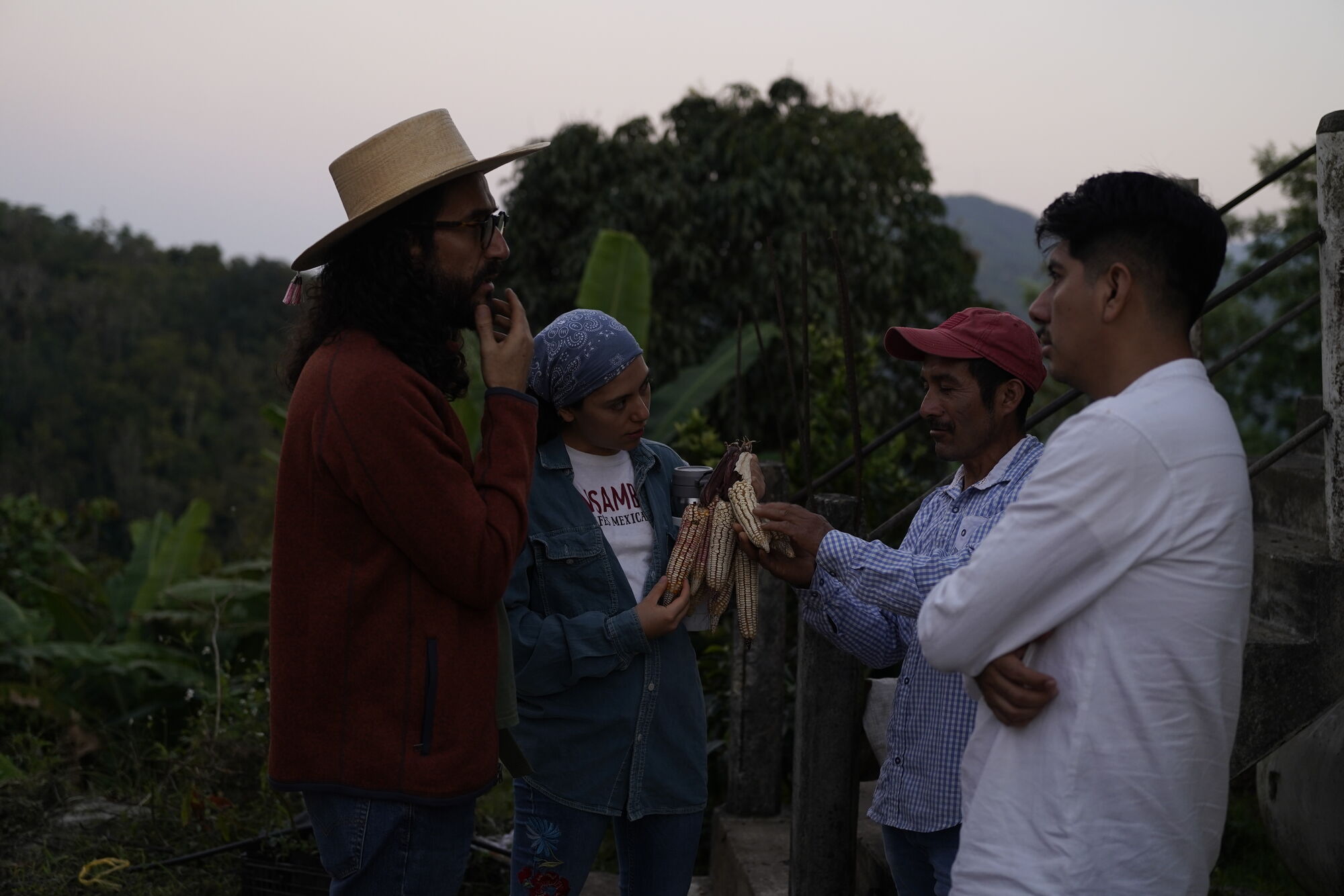
The cooperative becomes a self-managed enterprise: services extend from 29 to up to 229 producers, own pre-harvest financing rises from 20% to 40% and external support phases out. Practices are tested at El Equimite, documented by IBT and shared via the Swiss Sustainable Coffee Platform (SSCP); the model is already being adapted in Chiapas with Nuup.
Organisations involved